



Which Wire Insulation Melts During Soldering?
Author Dmitrii KhramtsovPosted 24 December 2025
Updated 24 December 2025
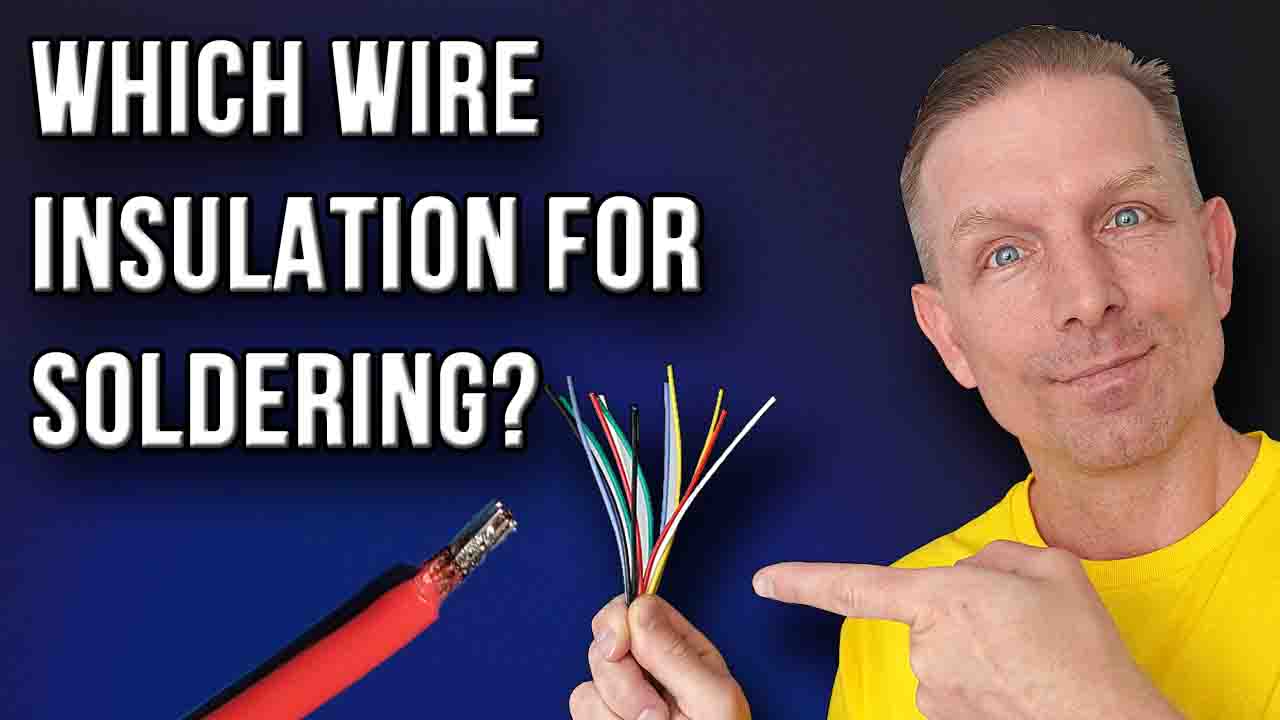
Wire insulation for Electronics and Wiring Harness
In this article, I compare different types of wire insulation used for soldering electronics and wire harnesses. I will determine which type of wire insulation is best suited for reliable electronics. I will discuss how each type of insulation behaves during soldering and describe the operating temperatures of each type of wire insulation.
Types of wire insulation
Wire insulation can be of several types: PVC, Silicone, PTFE — also known as Teflon, and Fiberglass. Each of them has different characteristics and different purposes.
Silicone insulated wires
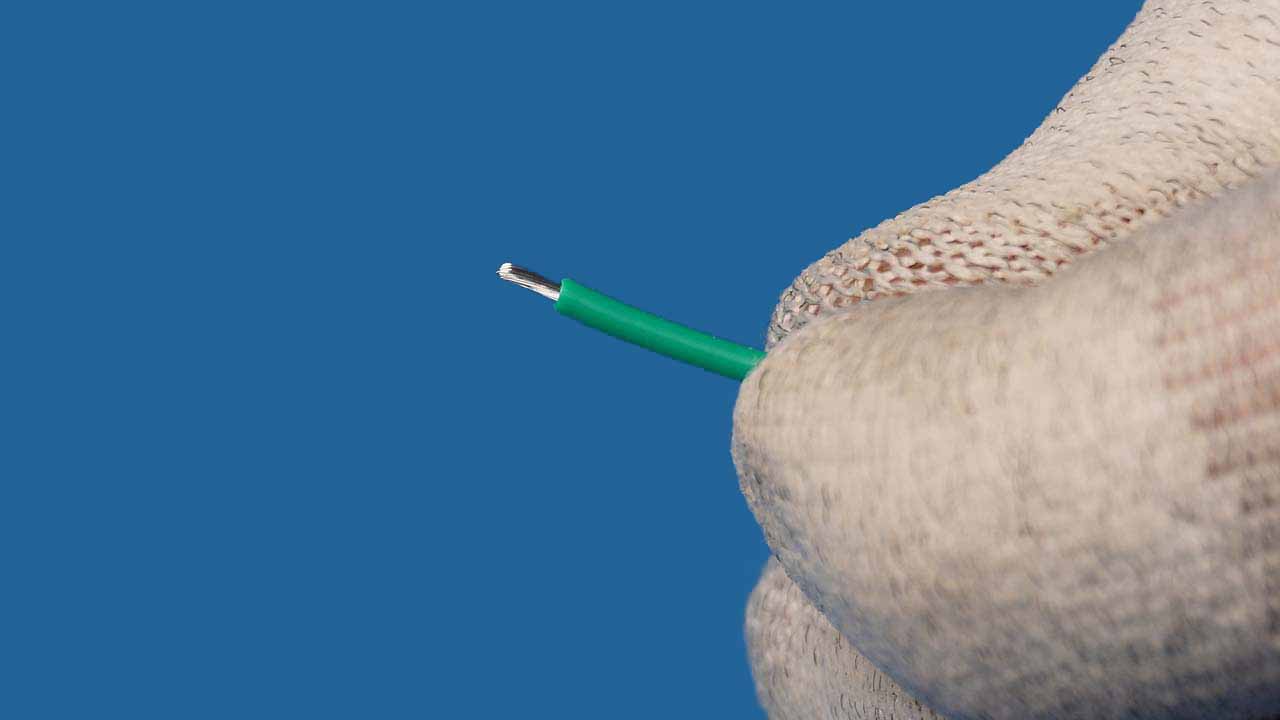
- Silicone Insulation melting temperature around 350 °C (662 °F). Operating range from −60 to +260 °C (-76 to 500 °F).
- At negative temperatures silicone remains flexible down to −190 °C (-310 °F).
- Silicone behavior during soldering: elastic, soft, does not melt, does not smell. It does not deform even when soldering close to the insulation. It does not char, but turns into ash at high temperatures.
- Silicone insulation wires often used in assembling household and regular electronics.
- Medium chemical resistance. Not resistant to oils and petroleum products.
- What are the advantages of silicone wire insulation? - flexible, convenient. Stays soft at negative temperatures. A good choice for hand soldering and creating reliable connections.
PTFE - Teflon insulated wires

- PTFE Teflon Insulation melting temperature 327 °C (620 °F).
- Operating temperature from −190 to +260 °C (-310 to 500 °F).
- Does not change at negative temperatures, ideal in freezing conditions.
- PTFE Teflon insulation behavior during soldering: does not melt, PTFE rigid insulation, but this is the best option for reliability and thermal resistance.
- Highest chemical resistance. Not affected by oils, gasoline, cleaning agents, ultraviolet. PTFE Teflon is the most chemically inert insulation.
- Applications: aviation, military, industrial electronics, devices for long-term operation.
- What are the advantages of PTFE Teflon wire insulation: excellent chemical and thermal resistance. Excellent for soldering and wire harness.
Fiberglass insulated wires
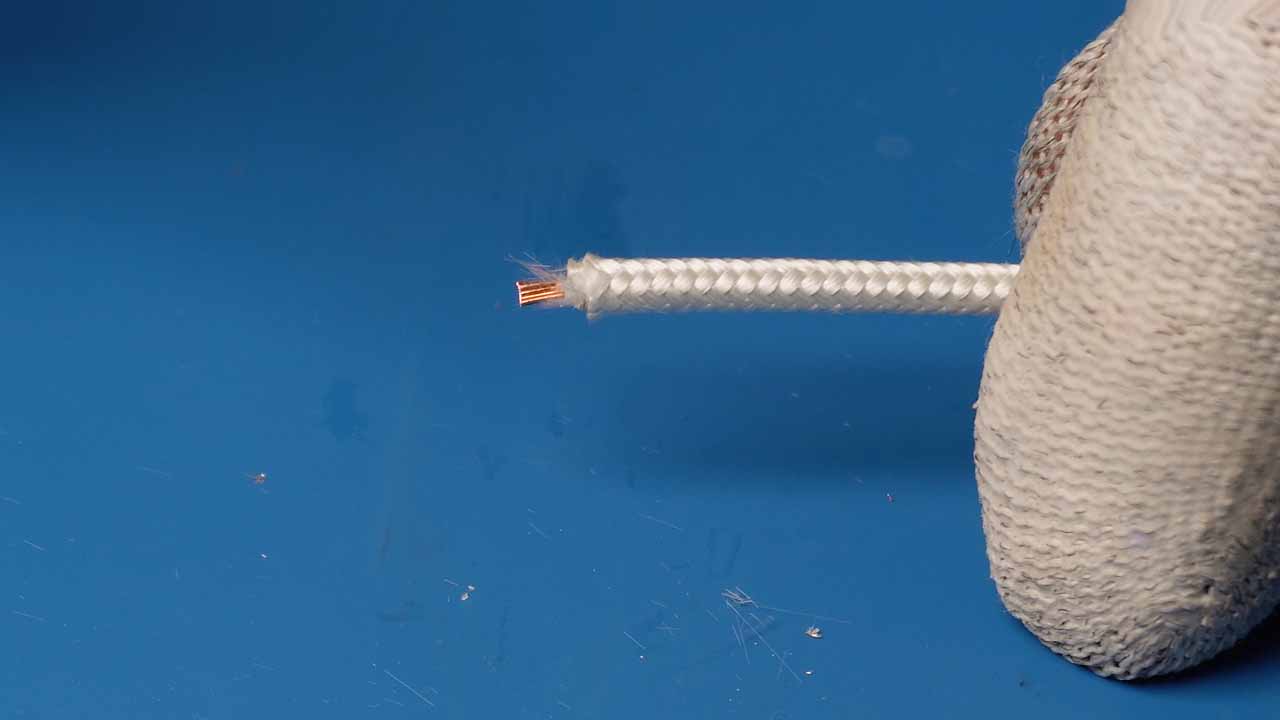
- The Fiberglass insulation can withstand more than 500 °C (932 °F).
- Operating temperature from −60 to +500 °C (-76 to 932 °F).
- Behavior of fiberglass wire insulation during soldering: withstands everything, does not melt at all, but frays when stripped. The insulation is hard, but not brittle.
- Fiberglass chemical resistance depends on the protective varnish inside the wire, but more often the varnish inert to chemical too. Fiberglass itself is chemically inert.
- Fiberglass wire insulation used in electronic devices and wire harness with high operating temperatures, heaters, aviation, military, space.
- What are the advantages of fiberglass wire insulation: maximum temperature resistance.
PVC insulated wires

- PVC wire insulation melting temperature around 170 °C (338 °F). You can’t tinning this wires without damaging the insulation!
- Operating range from −10 to +105 °C (14 to 221 °F).
- At negative temperatures PVC wire insulation becomes rigid, cracks and breaks.
- During soldering PVC wire insulation chars, smokes, slips off the wire strands. Burnt black residue can create current leakage!
- PVC wires used in cheap electronics.
- PVC wire insulation has very low chemical resistance. Damaged by gasoline, alcohol, cleaning agents, ages from sunlight UV.
- When exposed to high temperatures, PVC insulation penetrates between the strands, complicating soldering and degrading the quality of the solder joint. It is better to avoid using wires with PVC insulation. If you have ever soldered PVC wires, you have already seen how it melts and stinks. If you haven’t — watch this scene again and don’t ever buy wire with PVC insulation!
Which wire should you choose for soldering to PCBs and use in wire harness?
It all depends on the task and the actual ability to buy the right wire! If you need consultation — don’t hesitate to text me. The link for consultation in the description.
- For hand soldering, repairing and assembling PCBs, also for wire harness use stranded tinned wire in silicone or PTFE insulation. Flexible, good chemical and thermal resistance, does not char and degrade when soldering and tinning.
- For reliable electronics — only PTFE Teflon. PTFE is slightly more expensive, but if you are making electronics for long-term operation, it’s the best choice.
- Fiberglass — for super-extreme operating conditions, where PTFE and silicone insulation cannot withstand very high temperatures. If your electronics operate at high temperatures, then fiberglass wire insulation is your choice.
- As for PVC wires — I recommend forgetting them. Don’t use PVC wire for soldering. They look like wire, but they bring constant problems during work.
As for the conductor itself, ideally you should consider buying tinned wires. Their advantage is that the copper is already protected from oxidation. This is a big plus when storing the wires before you buy it, and a huge plus after installing the wire into device.
Thank you for reading!
Watch video Wire Insulation for Soldering: PVC, Silicone, Fiberglass, PTFE